China Steps Up Solid Waste Governance as Circular Economy Push Gains Momentum
China is accelerating its transition from end-of-pipe waste disposal to resource-oriented solid waste governance, as national policy support and local implementation continue to gain momentum. Earlier this year, the State Council released an action plan aimed at significantly improving the country’s solid waste treatment capacity, marking a new phase in China’s broader green transition.
Under the plan, China targets annual utilization of bulk solid waste at around 4.5 billion tonnes by 2030, while annual recycling of major renewable resources is expected to reach 510 million tonnes. The policy framework emphasizes source reduction, standardized collection and transport, safer disposal, and higher-value resource recovery, with particular attention to waste streams affecting public health and workplace safety.
Officials have framed the initiative not simply as a waste-control campaign, but as a structural shift toward circular economy development. The plan also encourages the reuse of industrial by-products such as smelting slag, construction debris and crop straw, while promoting wider use of recycled metals, plastics and paper pulp in manufacturing.
At the city level, Hangzhou has emerged as a notable example of implementation. On April 10, local authorities reported that the city’s “Jingling Recycling Bus” project in Xihu district had been selected as a flagship case for global promotion. The project focuses on hard-to-recycle, low-value materials such as milk cartons and takeaway beverage cups, combining front-end sorting, smart logistics and downstream resource recovery. Since launch, it has processed more than 3,440 tonnes of contaminated paper-plastic packaging, produced over 3,000 tonnes of recycled materials, and reduced carbon emissions by more than 3,500 tonnes.
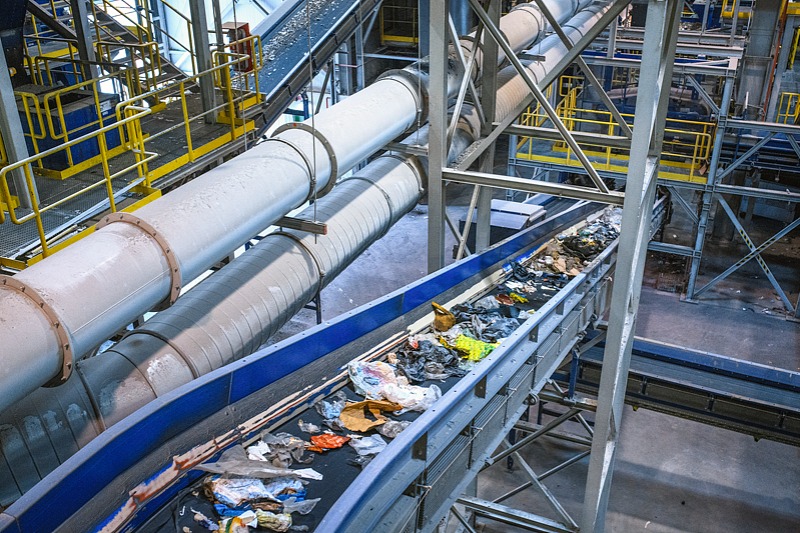
China is also tightening oversight of emerging solid waste categories. New interim measures on recycling retired power batteries from new energy vehicles took effect on April 1, introducing digital identification and traceability requirements across the full life cycle. The move reflects a broader regulatory trend: solid waste governance in China is expanding beyond municipal waste treatment toward integrated management of industrial, agricultural and strategic emerging waste streams.
Analysts say the significance of the latest push lies not only in disposal capacity, but in how China is redefining waste as a secondary resource. If implemented effectively, the new framework could strengthen environmental risk control, improve materials recovery efficiency, and create fresh opportunities in recycling technology, circular manufacturing and green infrastructure.