Selective Recycling Opens New Path for Complex Plastic Waste
BEIJING, June 3, 2026 — Selective recycling technologies are emerging as a promising solution to one of the most difficult challenges in solid waste management: the treatment of mixed and contaminated plastic waste.
A recent review published in Nature Reviews Materials highlights that conventional plastic recycling remains constrained by economic, logistical and technical barriers. In real-world waste streams, plastics are rarely clean or single-component materials. Instead, they are often mixed with additives, multilayer structures, textiles, electronic components and other contaminants, making high-quality recycling difficult.
The review points to solvent-based recycling and depolymerization as two important routes for selectively recovering valuable materials from complex plastic waste. Compared with traditional mechanical recycling, which may suffer from material degradation and downcycling, selective recycling aims to separate or convert target polymers with higher precision.
This shift reflects a broader trend in the solid waste sector: waste treatment is moving from simple disposal toward material-specific recovery and high-value resource utilization. Packaging waste, textile waste, waste electrical and electronic equipment, and durable plastic products are expected to become key application scenarios.
However, the report also stresses that laboratory performance alone is not enough. Future technologies must prove their scalability, operational reliability, process economics and environmental benefits before entering large-scale waste management systems.
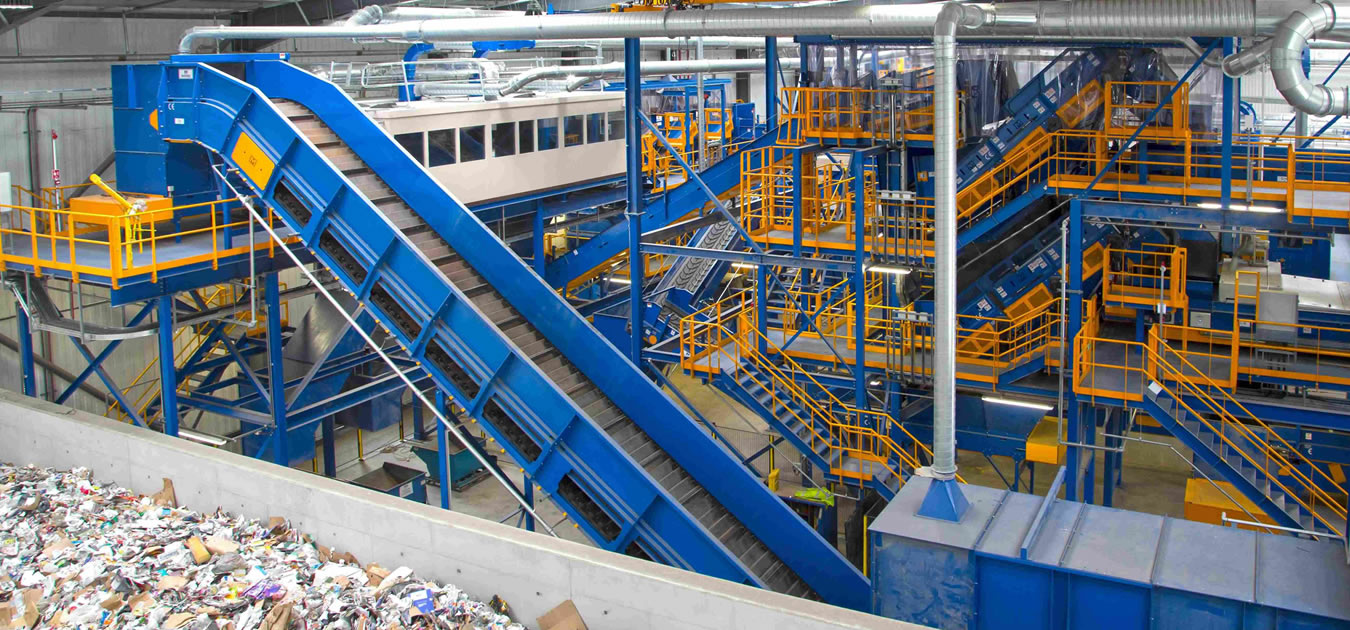
For cities and industries seeking to build circular economy infrastructure, selective recycling could become an important complement to mechanical recycling, waste-to-energy and landfill reduction strategies. If successfully scaled, it may help transform difficult-to-recycle plastic waste from an environmental burden into a new source of secondary resources.