
Turning Waste into Resources: Durable Catalyst Advances CO₂-Assisted Recycling
An international research team has developed a scalable catalyst that connects solid-waste conversion with the production of useful fuels and chemicals.
An international team involving King Abdullah University of Science and Technology and Western Michigan University has reported a catalytic approach for converting waste-derived gases and carbon dioxide into syngas. Published in Science on June 25, 2026, the study addresses two practical challenges in waste valorization: maintaining catalyst performance and processing unsorted feedstocks.
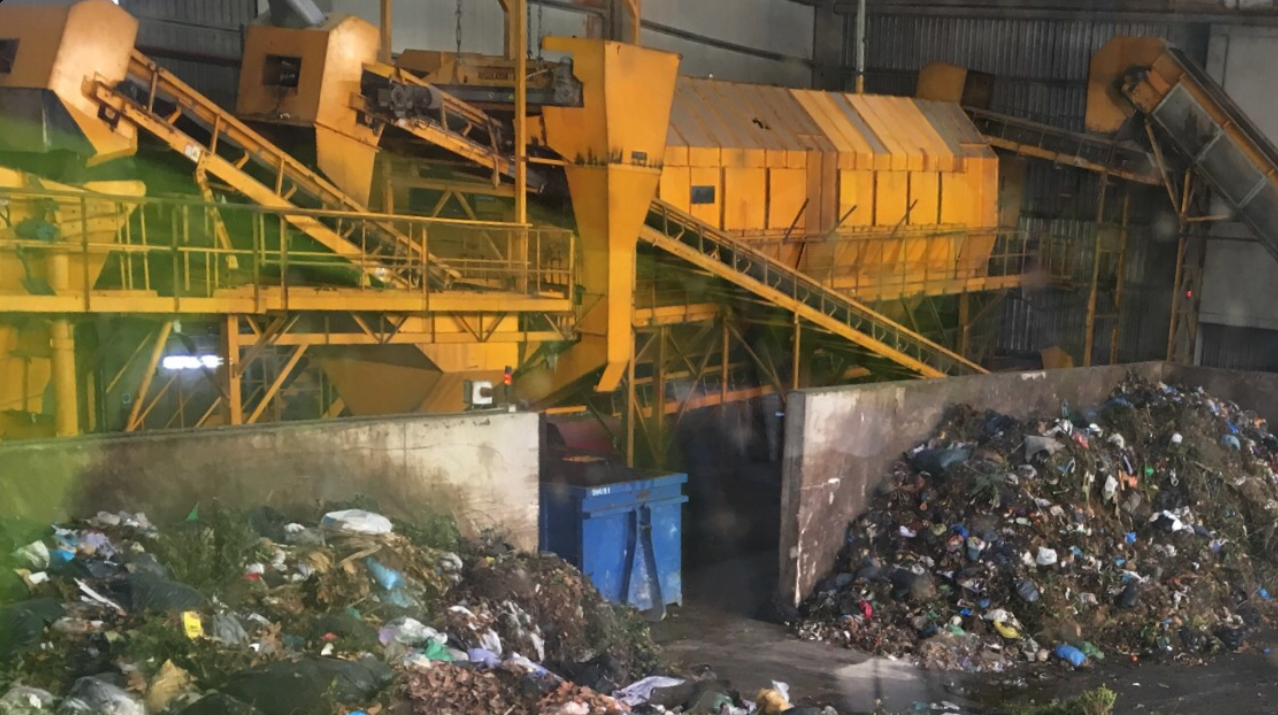
The material, called NiMoCat, consists of nickel–molybdenum alloy nanoparticles supported on single-crystalline magnesium oxide. The researchers manufactured it as pellets at kilogram scale, providing a form suitable for high-pressure reactors. Their process combines two stages: unsorted waste is first gasified, and the resulting gases then undergo catalytic reforming with CO₂ or realistic flue-gas streams.Tests with selected hydrocarbons, including methane and toluene, produced syngas while avoiding the unwanted reaction products identified in the study. The scaled-up catalyst also maintained activity during extended operation. These results bring together catalyst durability, practical shaping and feedstock conversion—features that matter when moving beyond laboratory powders.
According to Western Michigan University, the research explored waste materials including plastics and coffee grounds. The university also reported that NiMoCat remained active for hundreds of hours while resisting clogging and degradation. For solid-waste management, the appeal is a process that could recover chemical value from heterogeneous waste streams.“The ultimate goal is to create a sustainable, circular carbon economy on a massive, gigaton scale,” said Mert Atilhan, professor of chemical and paper engineering at Western Michigan University. That ambition remains a longer-term objective: the team’s next steps include integrating the technology with existing commercial infrastructure and improving heat integration.
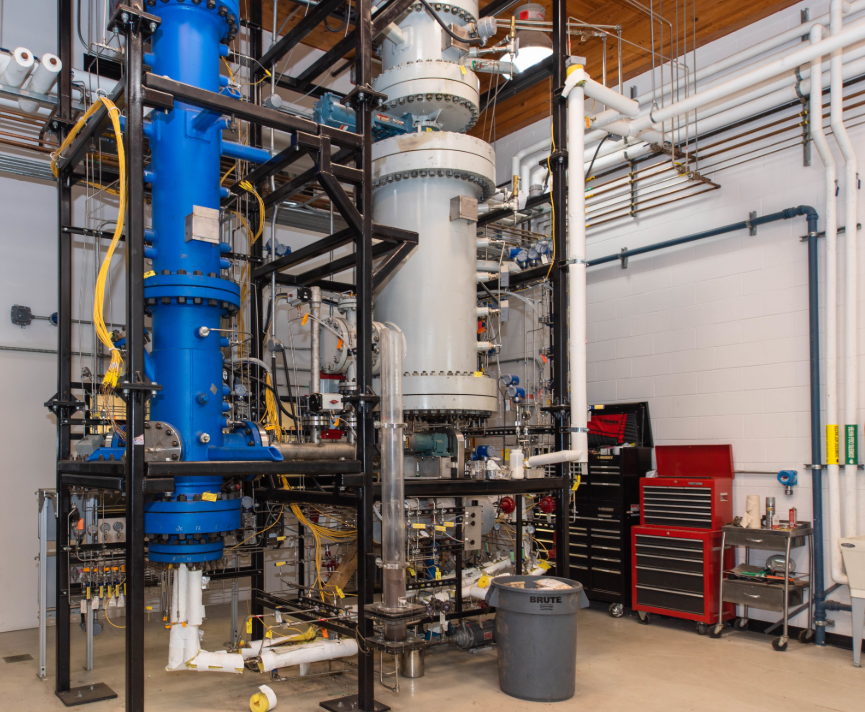
The immediate product is syngas, an intermediate for subsequent fuel and chemical production. The researchers also assessed a biogas-to-dimethyl-ether pathway through life-cycle analysis. Its findings should be interpreted for that evaluated pathway, rather than assumed to apply equally to every waste feedstock.The work points toward a practical connection between waste treatment and chemical manufacturing. Its next test will be how effectively the catalytic process can be integrated into a complete operating system, where energy demand and reliable performance determine its value.