Disposal of New Three Renewable Energy Waste: Waste-to-Energy as a Backstop Solution within Global Circular Value Chains
Global energy transition is driving a wave of decommissioning for photovoltaic modules, wind turbine blades and power batteries. For this category of waste, widely referred to as the “New Three”, tiered management systems are being established across the sector. Reuse and material recovery are prioritised to extract valuable resources, while waste-to-energy operates as supporting infrastructure to process materials unsuitable for resource recovery and residues generated from recycling streams, serving as an essential backstop in closed-loop systems.
Renewable energy waste varies widely in composition. Damaged, contaminated or economically unrecoverable fractions, together with residual by-products from recycling processes, require reliable and compliant disposal routes. Waste-to-energy employs clean thermal conversion, advanced flue gas treatment and heat and power recovery. Meeting applicable environmental standards, the process achieves volume reduction and safe treatment of waste. Recovered heat and power displace fossil fuel use, and bottom ash can be further processed into construction materials to reduce landfilling. Operational projects are running in China, Germany, Sweden and the Netherlands:
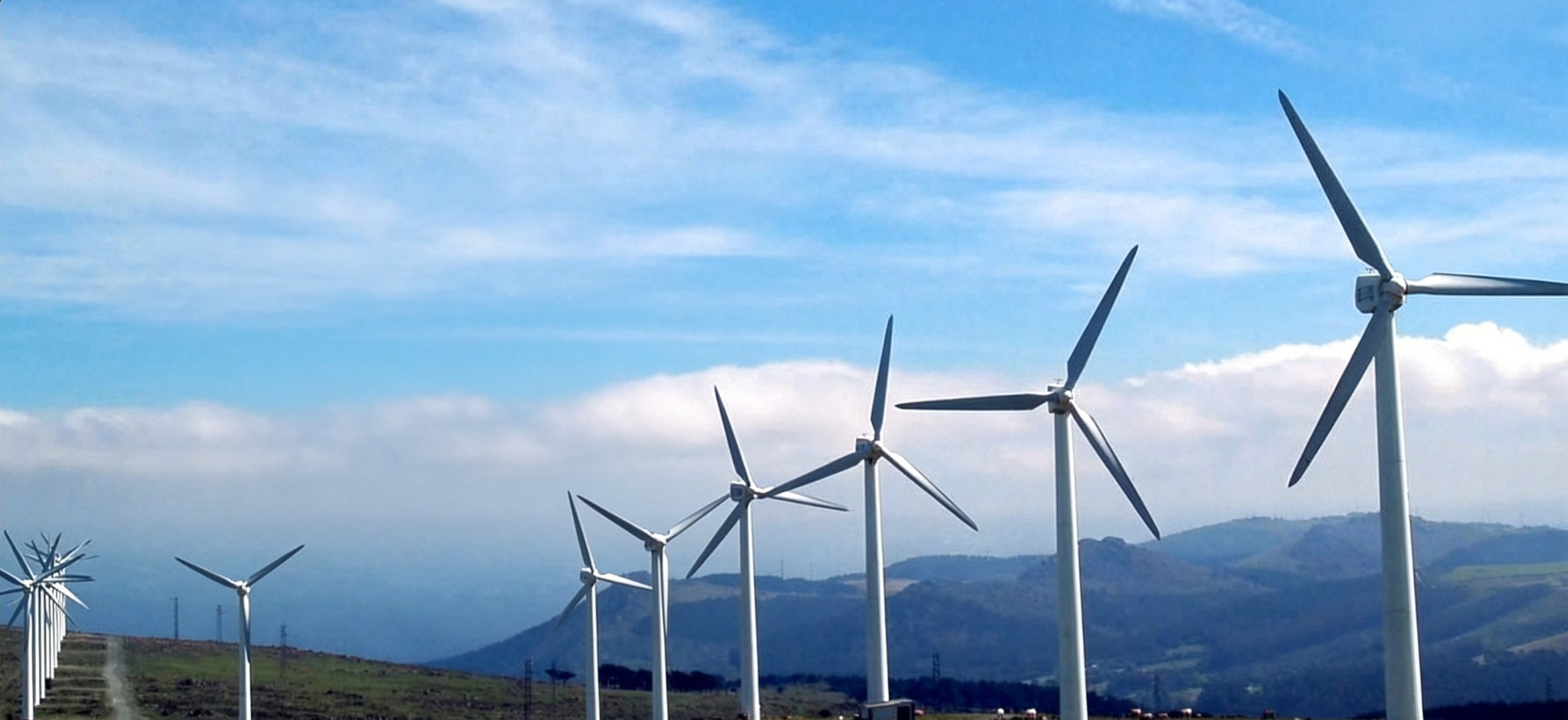
A co-processing hub in Shandong, China, accepts residual materials from wind blade and PV module dismantling for waste-to-energy treatment. Organic fractions are converted into heat supplied to nearby industrial parks, with dedicated controls for heavy metals and persistent pollutants to backstop upstream recycling lines.
In northern Germany, a solid waste hub shreds and sorts decommissioned wind blades for co-processing in cement kilns via waste-to-energy. Resin fractions act as alternative fuel for process heat, while glass fibre fractions serve directly as mineral feedstock for cement production, cutting coal and virgin mineral demand. This model represents a mainstream approach for wind composite waste in Europe.
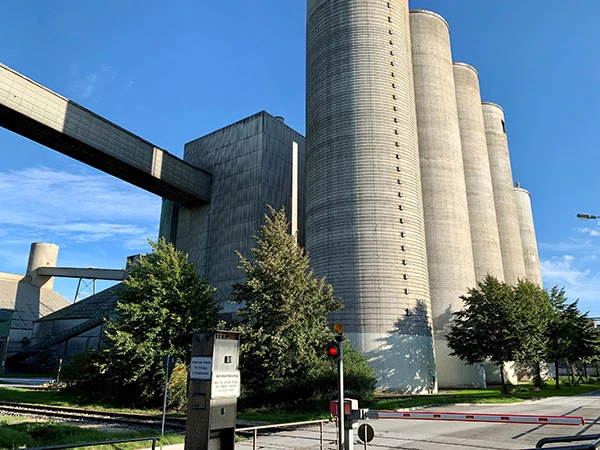
Holcim’s Lägerdorf plant in Germany
Sweden hosts a plasma gasification demonstration facility designed for PV encapsulation waste, wind turbine composites and residues from battery recycling. Under controlled oxygen-limited conditions, thermal conversion produces syngas, and molten slag is processed into aggregate for construction, aligned with national landfill restrictions.
A waste-to-energy centre in the Netherlands operates alongside power battery recycling facilities. Separators, organic coatings and mixed residues remaining after hydrometallurgical metal extraction are fed into dedicated thermal treatment units fitted with heavy metal capture systems. Recovered heat feeds local industrial steam networks, forming a sequenced framework of “resource recovery first, waste-to-energy for residual streams”.
Multiple multilateral frameworks are advancing work on the full life-cycle management of renewable energy hardware, covering extended producer responsibility, transboundary waste controls and harmonised standards for secondary materials. A tiered model of “resource recovery first, waste-to-energy as backstop” is emerging globally, adaptable to the industrial and regulatory contexts of different economies.
Critical minerals including lithium, cobalt and nickel are geographically concentrated, creating supply volatility risks. Material recovery systems paired with waste-to-energy infrastructure expand secondary resource availability and reduce reliance on virgin mining, while mitigating environmental harm from unregulated cross-border waste movements. Collectively, these international installations demonstrate that material recovery alone cannot accommodate all streams of end-of-life renewable energy hardware. Waste-to-energy is not a substitute for recycling; it forms an integral component of circular value chains. This combined model connects high-value metal recovery, thermal conversion of residual waste and further reuse of solid outputs, delivering a complete, implementable technical pathway for the growing volumes of decommissioned renewable energy waste worldwide.